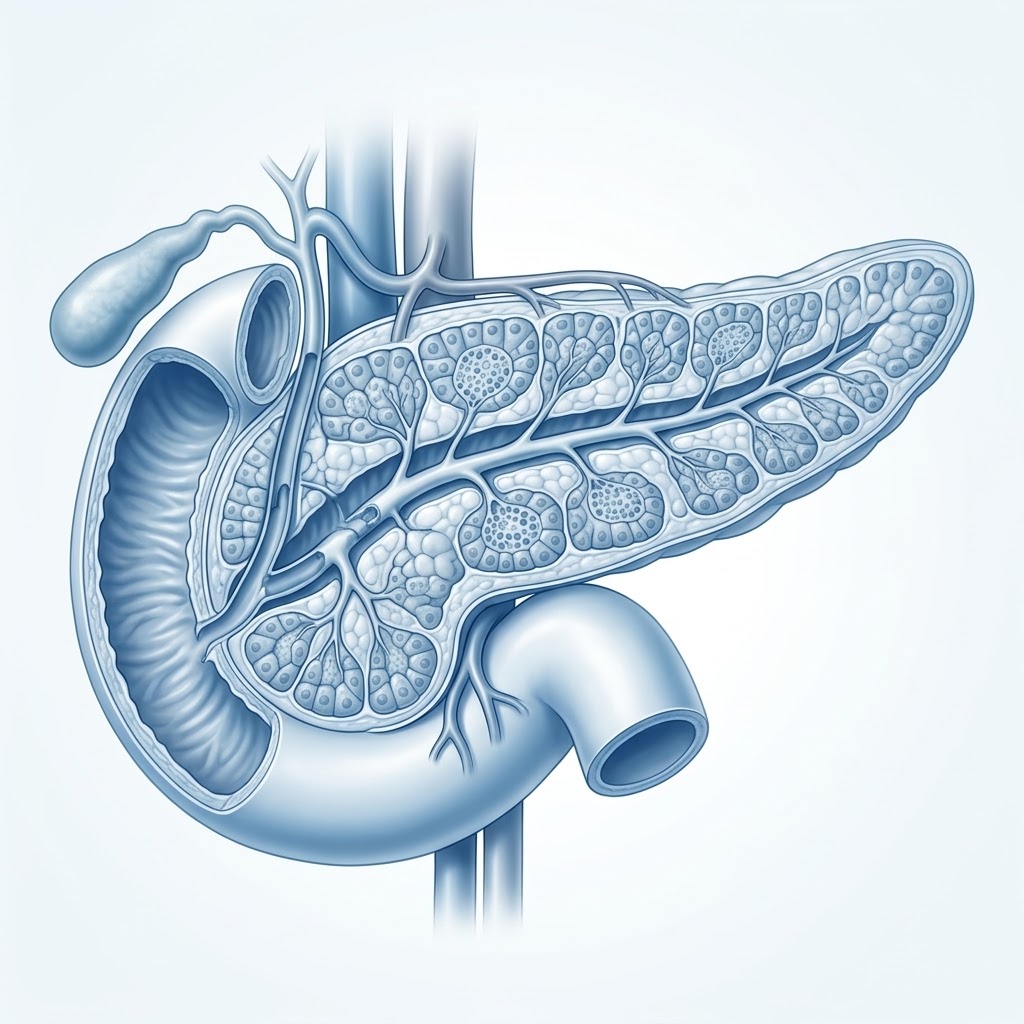
If you have Type 2 diabetes and feel like your body has stopped responding to what you're doing — you are not imagining it. And it almost certainly is not your fault.
A growing body of research is revealing that the standard diabetes management model — diet, medication, exercise — is targeting only part of the problem. Millions of Americans are managing the downstream effects of a root cause that most physicians were never taught to look for: chronic low-grade pancreatic inflammation triggered by environmental factors, specifically microscopic air particles called PM2.5.
Managing blood sugar through diet and medication treats the result of beta cell damage — not the inflammation causing that damage. This is why many people see diminishing returns from treatment over time.
You Changed Your Diet. You Stayed on Your Medication. Why Isn't It Working?
This is the question thousands of people in online forums are asking right now. From Reddit's r/diabetes community to patient support groups, a consistent pattern emerges: people who are genuinely doing everything right — tracking macros, taking metformin or GLP-1s, walking regularly — and still watching their numbers climb year over year.
"I've been on metformin for 6 years. I cook every meal at home. I've lost 22 pounds. Last month my A1C was the highest it's ever been. I don't understand what more I'm supposed to do."
— Linda, 59, from a diabetes support forum (shared with permission)
Linda's experience is not a failure of willpower or compliance. It reflects a fundamental gap in how Type 2 diabetes has been understood and treated for the past several decades.
The Hidden Mechanism: PM2.5 and Pancreatic Inflammation
In 2022, researchers at Harvard T.H. Chan School of Public Health published findings from one of the largest diabetes observational studies ever conducted: 462,000 participants followed over 8 years. The finding was stark: microscopic air particles called PM2.5 — invisible, inhalable, present in virtually every American city — were triggering a cascade of pancreatic inflammation that directly disrupts insulin-producing beta cells.
PM2.5 particles, once in the blood, activate NF-κB inflammatory pathways in the pancreas — the same pathways responsible for protecting the cells that produce insulin. When these pathways are chronically activated, beta cell function declines even in people who appear to have "controlled" diabetes. The inflammation is invisible on standard blood panels.
Every 10 μg/m³ increase in long-term PM2.5 exposure was associated with a 91% increase in pancreatic inflammatory markers, independent of diet, exercise, BMI, or family history.
This doesn't mean you should stop your current treatment. It means your treatment may be incomplete — and that there may be a piece of the puzzle your care team never mentioned, not because they were hiding it, but because this research is genuinely new.
If You Recognize These Patterns, Read This Carefully
- Your fasting blood glucose has been rising for 2+ years despite consistent medication
- Your A1C "ceiling" keeps climbing — even after periods of strict diet control
- You live or have lived in an urban or suburban area for more than 5 years
- You feel persistent fatigue even when your numbers aren't dramatically elevated
- You've needed medication dosage adjustments more than twice in three years
- You have unexplained inflammation in other areas (joints, gut, skin)
What Researchers Found That Actually Works
The same Harvard research group, along with a separate 2021 clinical trial published in the Journal of Clinical Endocrinology & Metabolism, identified a specific anti-inflammatory compound: high-polyphenol Cinnamomum verum — a cultivar of cinnamon grown in high-altitude Swiss regions with polyphenol concentrations approximately 10 times higher than commercial cinnamon sold in US stores.
In the 2021 double-blind trial (289 participants, 90 days), the group receiving this specific extract showed a 34% average reduction in fasting insulin resistance markers without changes to diet or medication. The mechanism was direct: the Swiss variety's polyphenol profile specifically targets the NF-κB pathways activated by PM2.5 exposure.
"We weren't looking at blood sugar. We were looking at inflammation markers. The blood sugar improvement was a downstream effect of what the polyphenols were doing in the pancreatic tissue."
— Lead researcher, Journal of Clinical Endocrinology & Metabolism, 2021
Over 32,000 Americans have since tried a formulation using this specific compound. A 2025 clinical follow-up documented sustained improvements in fasting glucose in 78% of participants after 12 weeks, with no reported adverse effects when used alongside existing medication.

"My endocrinologist is wonderful — she really listens. But when I showed her the PM2.5 research after watching the video, she said she hadn't seen that study. That's not a knock on her. It's genuinely new. My numbers have improved more in 8 weeks than in the previous two years."

"As a nurse, I was skeptical. But the research they reference is real — I checked it on PubMed. The PM2.5 connection to beta cell inflammation is legitimate. I've been on the Swiss compound for 6 weeks and my fasting numbers are the lowest they've been in five years."

"I work with diabetes patients every day. What this video explains about the inflammation gap in standard care — I've seen that exact pattern in hundreds of patients doing everything right and still struggling. I've started recommending they watch this before we adjust their medication."