In 2023 and 2024, social media — particularly TikTok and health forums — began referring to berberine as "nature's Ozempic." The name caught on because the mechanism justifies it: berberine activates AMPK (adenosine monophosphate-activated protein kinase), the same cellular energy sensor that metformin targets. In multiple head-to-head studies, berberine has matched or outperformed metformin in lowering fasting glucose and A1C.
When AMPK is activated in liver cells, it suppresses glucose production (gluconeogenesis) — the same mechanism metformin uses to lower fasting blood glucose. It also increases glucose uptake in muscle tissue and, in some studies, has shown GLP-1 stimulating effects in gut cells — which is why the Ozempic comparison stuck. The science is not hype.
In a 2008 randomized controlled trial of 116 patients with newly diagnosed Type 2 diabetes, berberine reduced fasting plasma glucose by 36% and A1C from 9.5% to 7.5% over 3 months — comparable to metformin's effect in the same study.
The Problem No One Talks About
Berberine has a significant bioavailability problem. Standard berberine hydrochloride — the form in most supplements — is absorbed at a rate of just 1–5% in the gut. The molecule is large, poorly soluble, and actively pumped back out of intestinal cells by efflux transporters. The vast majority of what you swallow passes through without reaching the bloodstream. Studies showing strong clinical effects typically used pharmaceutical-grade preparations, not standard commercial supplements.
"The mechanism is solid. The bioavailability in most over-the-counter products is not."
What the Research Points to Instead
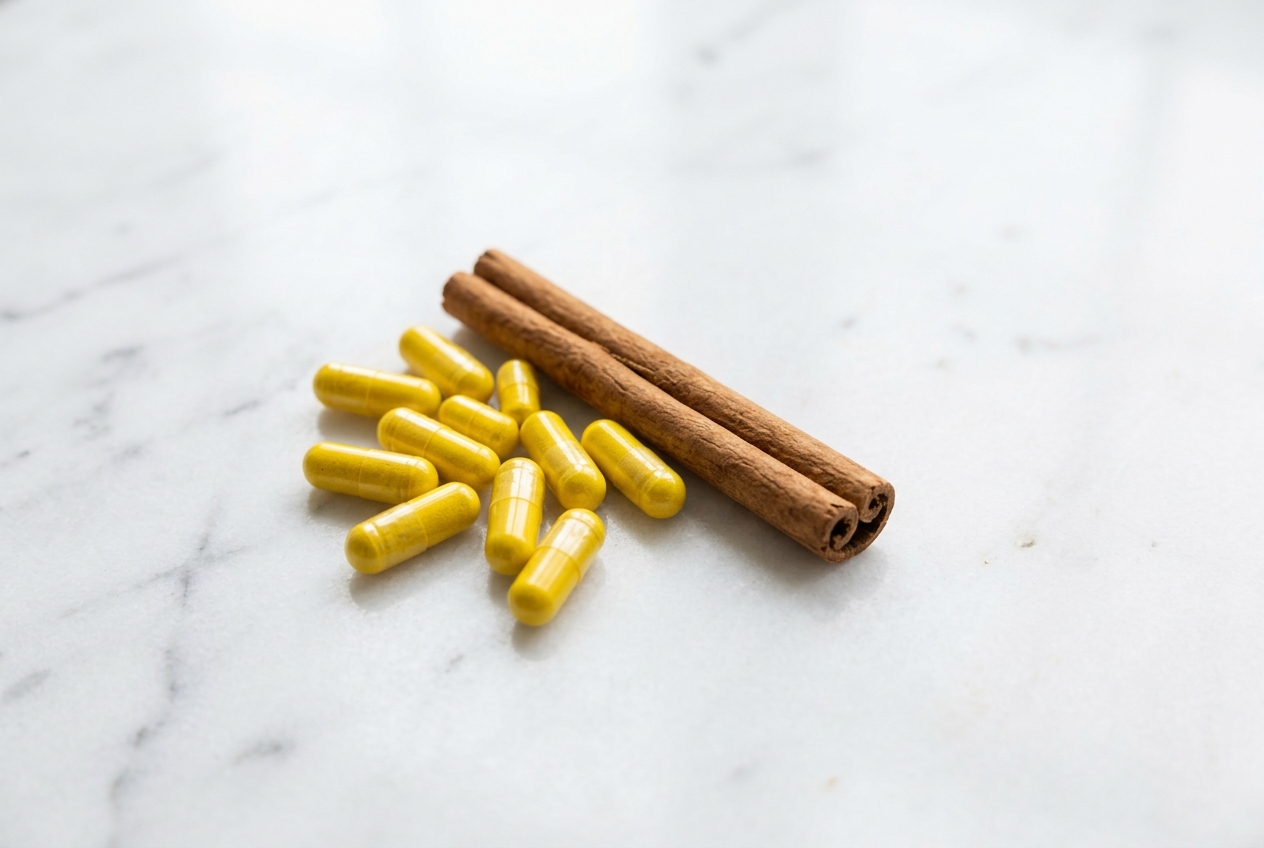
Researchers investigating the AMPK and NF-κB inflammatory pathways — the two primary drivers of insulin resistance progression — identified a different class of botanical compounds with substantially higher bioavailability. High-polyphenol extracts from specific plant cultivars, including a Swiss alpine cinnamon variety (Cinnamomum verum) with polyphenol concentrations approximately 10 times higher than commercial cinnamon, reach pancreatic tissue via the bloodstream rather than being degraded in the gut. The free video below explains the full mechanism and how it compares to both berberine and standard cinnamon.
The full bioavailability comparison — and what researchers found actually reaches pancreatic tissue. Free, 4 minutes, no email required.
▶ Watch the Free Video